
Hearing loss is often thought of as a normal part of ageing, but research increasingly shows that it may have a deeper connection to long-term brain health. While hearing loss does not mean someone will develop dementia, untreated hearing difficulties are now recognised as one of the important modifiable risk factors associated with cognitive decline. The 2024 Lancet Commission on dementia prevention, intervention and care identifies hearing loss as a risk factor across the life course and notes that evidence for treating hearing loss to reduce dementia risk is now stronger than in earlier reports.
One reason this matters is because hearing loss changes how the brain has to work. When someone struggles to hear clearly, the brain uses more effort to decode sound, follow conversation and interpret meaning. This increased cognitive load can make communication exhausting and may reduce the brain’s capacity for other tasks such as memory, attention and processing. Over time, hearing difficulties can also lead to withdrawal from conversation, social isolation and reduced engagement, all of which are themselves associated with poorer cognitive health. The National Institute on Aging notes that older adults with hearing loss have a greater risk of developing dementia than those with normal hearing.
This does not mean hearing loss directly causes dementia in every case. The relationship is complex and researchers continue to study whether hearing loss is a cause, a contributing factor, or an early marker of broader brain changes. However, the association is strong enough that hearing health is now an important part of dementia risk-reduction conversations. A 2024 cohort study published in JAMA Otolaryngology Head & Neck Surgery found that hearing loss was associated with increased dementia risk, particularly among people who were not using hearing aids. The authors also noted that more high-quality longitudinal research is still needed.
How hearing loss can affect cognitive and emotional wellbeing
For many older adults, hearing loss does not only affect sound. It affects confidence, relationships and independence. A person who struggles to hear may begin avoiding social gatherings because conversation feels tiring or embarrassing. They may misunderstand instructions, miss emotional cues, or withdraw from activities they once enjoyed. This reduced social stimulation can have a meaningful impact on wellbeing, particularly because social connection is widely recognised as important for maintaining cognitive health.
Hearing loss can also place strain on families. Loved ones may assume someone is ignoring them, becoming forgetful, or withdrawing emotionally, when in fact they may simply not be hearing clearly. In people already living with dementia, untreated hearing loss can worsen confusion, increase frustration and make communication more difficult. This is why hearing assessments should not be viewed as separate from dementia care. They are part of understanding the whole person.
Can hearing aids help reduce dementia risk?
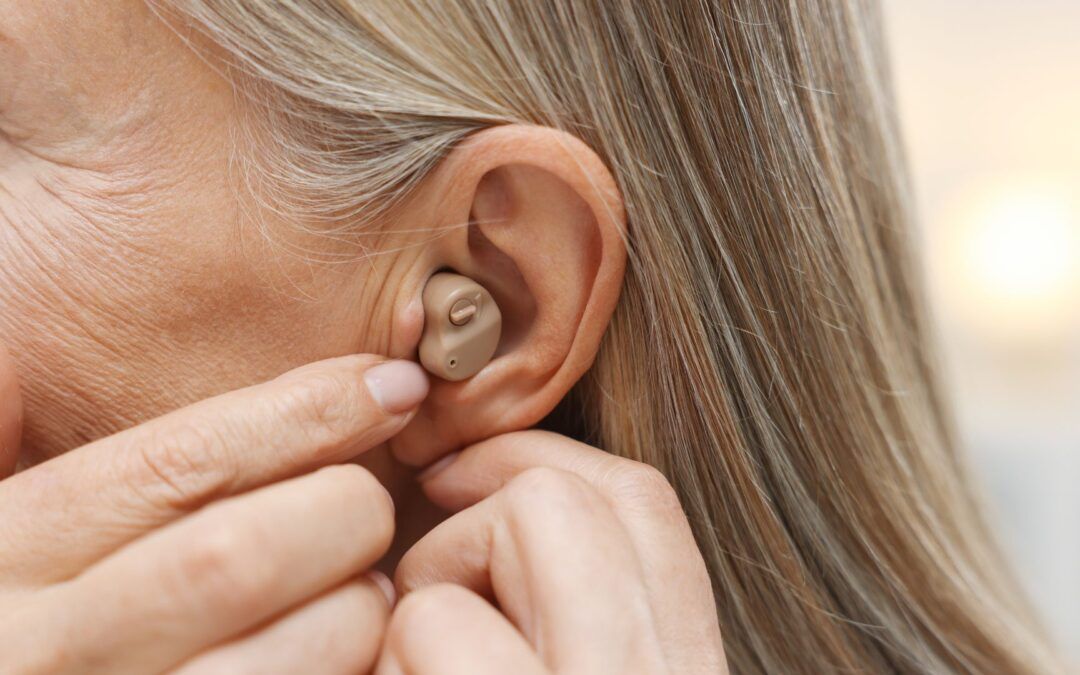
The evidence around hearing aids is promising, but it should be described carefully. Hearing aids are not a guaranteed way to prevent dementia, and they do not reverse dementia. However, research suggests that treating hearing loss may help reduce cognitive decline in some people, especially those already at higher risk.
The ACHIEVE trial, supported by the National Institute on Aging, found that a hearing intervention reduced the rate of cognitive decline by almost 50% over three years in older adults at increased risk of dementia. The same effect was not seen across all participants, which is why the finding is most relevant to people with hearing loss and additional risk factors.
Alzheimer’s Research UK also states that for people with hearing loss, wearing hearing aids may reduce the risk of cognitive decline linked to hearing loss, and encourages regular hearing checks from midlife.
What families and caregivers should look out for
Families should pay attention to subtle signs of hearing loss, especially in older adults or loved ones already experiencing memory changes. These may include asking people to repeat themselves often, turning the television volume higher, seeming confused in group conversations, withdrawing socially, or responding in ways that do not match what was said.
In dementia care, these signs can easily be mistaken for worsening cognition. A person may appear more confused, less responsive or more agitated, when the underlying issue may be that they cannot hear properly. This is why regular hearing assessments are important, particularly when families notice sudden changes in communication, mood or social engagement.
Why hearing health belongs in dementia risk reduction
Reducing dementia risk is rarely about one single action. It is about addressing multiple factors that support brain health over time. Hearing health is now an important part of that conversation because it connects directly to communication, social connection, confidence and cognitive load.
At Livewell Estates, we understand that dementia care must consider the whole person, not only memory loss. Supporting sensory health, emotional wellbeing and meaningful engagement all form part of a more complete approach to dementia care. For families, the message is both practical and hopeful: hearing loss should not be ignored, and addressing it early may support better cognitive and emotional wellbeing in later life.
References
- The Lancet Commission 2024 report on dementia prevention, intervention and care.
- National Institute on Aging information on hearing loss and dementia risk.
- JAMA Otolaryngology Head & Neck Surgery 2024 cohort study on hearing loss, hearing aid use and dementia risk.
- National Institute on Aging ACHIEVE trial summary.
- Alzheimer’s Research UK guidance on hearing loss and dementia risk.