
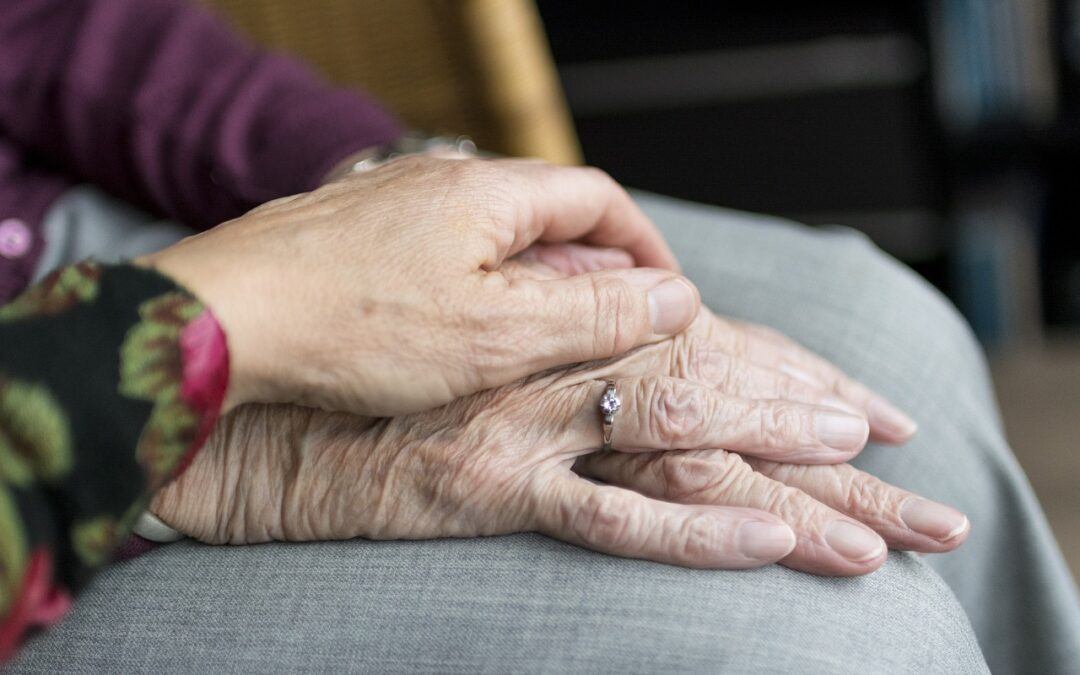
Caring for a loved one with dementia is a profound act of love, but it is also one of the most emotionally and physically demanding roles a person can have. Many families step into this responsibility without fully realising the toll it can have on them. Behind each person living with dementia is often a caregiver navigating a complex mix of stress, responsibility and a very unique kind of grief.
A Different Kind of Grief
When people think of grief, they usually associate it with loss after death. But for families of people living with dementia, grief often begins much earlier – they grieve the person while they are still alive.
As memory fades and personality changes, caregivers witness the gradual decline of the person they love – their loved one becomes psychologically lost, despite being physically present. This ongoing loss – comprising both large and small – can be unclear and unresolved, making the grieving process complex and often overwhelming. This experience is often described as ambiguous loss: a loss that lacks clarity or finality (Boss, 2016). Families whose loved one is physically present, yet psychologically unrecognisable can be referred to as a psychological ambiguous loss – their loved one is “here, but not here” – and this forces them to reconstruct their lives around caregiving responsibilities while trying to comprehend their loss within the paradox of absence and presence (Boss, 2016). This phenomenon can disrupt the natural grieving process and leave caregivers in a continuous state of emotional adjustment.
The emotional and physical response to these ongoing losses is referred to as pre-death grief (Blandin & Pepin, 2016). This grief can be made complicated by the limited opportunity for meaningful conversations, conflict resolution, or emotional closure due to symptoms of dementia, including deficits in communication, the onset of neuropsychiatric disturbances (including aggression, agitation, hallucinations, and paranoid delusions), impaired insight and a lack of shared understanding (Manevich, 2025). Caregivers are often forced to oscillate between confronting loss while adapting to new caregiving realities, without ever reaching a sense of resolution.
A 2025 review highlights that pre-death grief is a risk factor for both pre- and post-bereavement distress, often requiring professional support (Manevich). In other words, this type of grief does not necessarily ease over time and can be difficult to cope with if not supported.
Ongoing and Chronic Stress
Alongside grief, caregiving for those with dementia can be overwhelming, with responsibilities that may include:
- Managing daily care and routines
- Responding to behavioural and emotional changes
- Ensuring safety and supervision
- Navigating medical and practical needs
As dementia progresses, these demands generally increase over time. Caregivers are shown to experience higher levels of burden and are more likely to experience emotional strain (Travers et al., 2024). Targeted support can help lower this sense of burden and improve caregivers’ quality of life (Piersol et al., 2017).
The Impact on Health: What Often Goes Unnoticed
One of the most important, and often overlooked, realities of caregiving is its impact on the caregiver’s own wellbeing. The combination of prolonged stress and unresolved grief places caregivers at increased risk for both mental and physical health issues (Manevich, 2025). Pre-death grief itself has been identified as a key contributor to distress and reduced coping over time (Blandin & Pepin, 2016). Over time, many caregivers put their own self-care and health on hold, often without recognising the cumulative effect.
Mental Health Risks
Caregivers of individuals with dementia are at an increased risk of:
- Depression;
- Anxiety;
- Prolonged grief disorder;
- Exhaustion and burnout (Manevich, 2025).
Research shows a high prevalence of stress, grief and depression, even before the physical death of the person with dementia (Blandin & Pepin, 2016). Pre-death grief tends to increase as the disease progresses, as caregiver burden rises, and as their personal health begins to decline (Blandin & Pepin, 2016).
Importantly, many caregivers may not recognise these experiences as grief, which can also delay support-seeking behaviours and make coping more difficult.
Physical Health Risks
Chronic caregiving stress can also have detrimental effects on physical health, including:
- Increased risk of cardiovascular disease;
- Hypertension;
- Diabetes;
- Weakened immune system;
- General physical decline (Christian et al., 2023).
Over time, the sustained demands of caregiving can have a serious toll on overall health and wellbeing.
When Care Needs Change
For many families, there may come a point where additional support – or a transition to a dementia care facility – is the necessary next step. This decision is often complex and emotional, and may bring feelings of guilt alongside relief.
While professional care can reduce the intensity of daily caregiving demands and allow caregivers to regain time for rest and self-care, the emotional aspects of grief may still remain. In some cases, grief may become even more noticeable once the immediate pressures of caregiving have been reduced.
At Livewell, we understand that supporting a person with dementia also means supporting the family around them. This may involve simply walking alongside caregivers, or offering additional support, such as counselling, to help manage stress, process grief, and navigate this complex journey.
Conclusion
Caregiving for a person with dementia is both deeply meaningful and incredibly challenging. The gradual loss of a loved one’s identity creates a unique form of grief that unfolds over time, often without closure. When combined with the ongoing demands of caregiving, this can place individuals at increased risk for both mental and physical health challenges.
Recognising and addressing these challenges is crucial. If you are at the stage of considering transitioning your loved one to a dementia care facility, emotional support is strongly encouraged to help you navigate this difficult transition – you deserve to be taken care of too.
References
- Blandin, K., & Pepin, R. (2016). Dementia grief: A theoretical model of a unique grief experience. Dementia, 16(1), 67–78. https://doi.org/10.1177/1471301215581081
- Boss, P. (2016). The Context and Process of Theory Development: The Story of Ambiguous Loss. Journal of Family Theory & Review, 8(3), 269–286. https://doi.org/10.1111/jftr.12152
- Christian, L. M., Wilson, S. J., Madison, A. A., Ruchika Shaurya Prakash, Burd, C. E., Rosko, A., & Kiecolt‐Glaser, J. K. (2023). Understanding the Health Effects of Caregiving Stress: New Directions in Molecular Aging. Ageing Research Reviews, 92, 102096–102096. https://doi.org/10.1016/j.arr.2023.102096
- Manevich, A. (2025). Pre-death grief among family caregivers of individuals living with cognitive impairment and dementia: a comprehensive review of theory, research, clinical assessment, and psychotherapy. Mortality, 1–18. https://doi.org/10.1080/13576275.2025.2561691
- Piersol, C. V., Canton, K., Connor, S. E., Giller, I., Lipman, S., & Sager, S. (2017). Effectiveness of Interventions for Caregivers of People With Alzheimer’s Disease and Related Major Neurocognitive Disorders: A Systematic Review. American Journal of Occupational Therapy, 71(5), 7105180020p1. https://doi.org/10.5014/ajot.2017.027581
- Travers, J. L., Rosa, W. E., Shenoy, S., Bergh, M., & Fabius, C. D. (2022). Characterizing caregiving supportive services use by caregiving relationship status. Journal of the American Geriatrics Society, 71(5), 1566–1572. https://doi.org/10.1111/jgs.18213
Article written by Catherine Davies, Wellness Counsellor at Livewell Estates Bryanston.