
Our Blog

Why dementia care is shifting from “care” to “rehabilitation and maintenance”
For decades, dementia care has largely been understood as a model of support centred on safety, supervision, and...

More Than a Diagnosis: How Livewell Estates Cares for the Whole Person
A dementia diagnosis changes everything but it does not erase who a person is. Behind every diagnosis is a life richly...
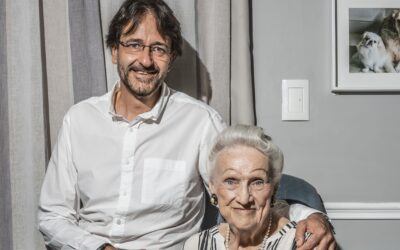
Sandro Nassi discusses the loneliness families don’t talk about in the dementia journey
When a loved one is diagnosed with dementia, much of the focus understandably turns to the person living with the...

How familiar scents can trigger memories in dementia and Alzheimer’s
Families often notice that certain smells can spark an unexpected reaction in a loved one living with dementia or...

Why personalised dementia care must evolve as the disease progresses
Dementia is a progressive condition that changes how a person thinks, communicates, moves, and experiences the world...

Can you prevent or delay dementia through genetics and lifestyle?
When dementia affects a family, one of the most difficult questions often lingers beneath the surface: Will this...
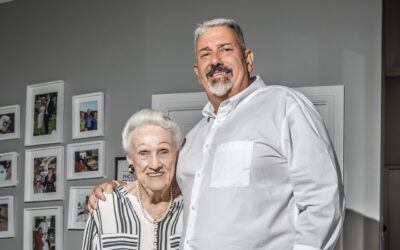
Quito Esteves shares the standards behind high-quality dementia care at Livewell Bryanston
When families begin exploring dementia care for a loved one, they are not just looking for a facility. They are...

How familiar music can calm residents in Alzheimer’s care facilities
Family members often notice how a familiar song can bring a smile, a hum, or even an emotional connection in someone...
What makes Livewell Estates one of the best dementia care homes in South Africa
Searching for the best dementia care homes in South Africa is rarely a casual decision. It is often made during a time...
What it really means when a loved one with dementia has a “good day”
Families caring for someone with dementia often notice that not every day looks the same. Some days feel harder,...

Why small changes in routine can feel big for someone with dementia
For someone living with dementia, routine is more than a preference. It is a source of safety, familiarity, and...

Why not all dementia care facilities provide the same level of care
When families begin searching for dementia care facilities, it is easy to assume that all options offer a similar...