
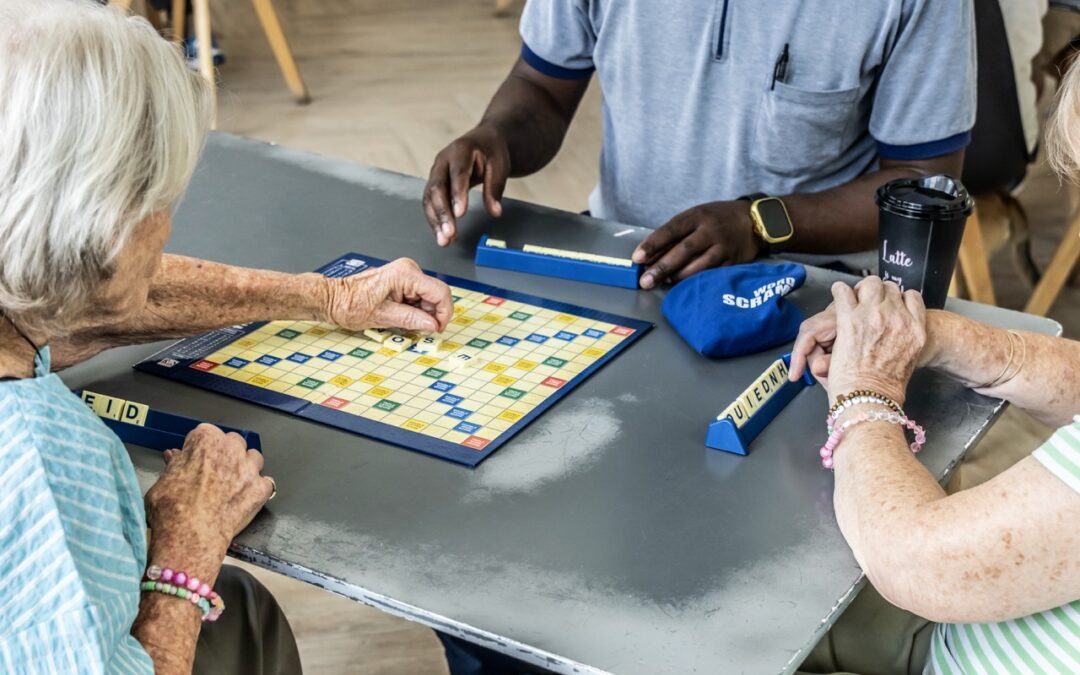
For someone living with dementia, the world can gradually begin to feel unfamiliar. Tasks that were once automatic require effort, environments can feel confusing, and small disruptions may lead to anxiety or distress. In this context, routine becomes more than structure. It becomes a source of comfort, stability, and emotional safety.
In private dementia care facilities, personalised daily routines play a central role in supporting residents through these changes. When care is built around familiarity and predictability, it helps reduce anxiety, improve mood, and stabilise behaviour. At Livewell Estates, these routines are not generic schedules. They are carefully developed, often in collaboration with Occupational Therapists, to reflect each resident’s history, preferences, and evolving needs.
Why routine matters in dementia care
Dementia affects the brain’s ability to process new information and adapt quickly to change. As a result, unpredictability can feel overwhelming. When a person knows what to expect, even in a simple way, it reduces the cognitive load required to navigate the day.
A familiar routine provides gentle cues that guide behaviour. Waking at a consistent time, having meals in a familiar setting, participating in known activities, and following a predictable evening wind-down all contribute to a sense of rhythm. This rhythm helps the brain feel less threatened by uncertainty, which in turn reduces agitation, restlessness, and confusion.
Families often notice that when routines are disrupted, behaviours change. A later-than-usual meal, a noisy environment, or an unexpected visitor can lead to anxiety or withdrawal. This is not because the person is being difficult, but because their sense of predictability has been interrupted. Personalised routines help minimise these disruptions and create a stable emotional environment.
How personalised routines reduce anxiety and support wellbeing
The difference between a standard routine and a personalised one is subtle but significant. A standard routine applies the same schedule to everyone. A personalised routine reflects the individual. At Livewell, routines are shaped around who the resident is. This includes their lifelong habits, cultural background, preferences, and emotional needs. A resident who has always been an early riser may begin their day quietly with tea and familiar surroundings. Someone who enjoyed social interaction may be gently encouraged into group activities at the right time of day. Others may benefit from quieter, more individual engagement.
These routines are not rigid. They are responsive. Dementia care teams adjust the flow of the day depending on how a resident is feeling, recognising that dementia can cause fluctuations in energy, mood, and cognitive ability. The goal is not to enforce structure, but to create a framework that feels supportive rather than restrictive.
This approach often leads to noticeable changes in behaviour. Residents may appear calmer, more engaged, and less distressed. Sleep patterns may stabilise. Mealtimes become more consistent. These outcomes are not incidental. They are the result of care that understands the connection between routine, cognition, and emotional wellbeing.
The role of Occupational Therapists in structuring daily Llfe
At Livewell Estates, Occupational Therapists play an important role in shaping personalised daily routines. Their work goes beyond activity planning. It involves understanding how each resident interacts with their environment, how they perform daily tasks, and where support is needed to maintain independence.
Occupational Therapists assess factors such as mobility, coordination, cognition, and sensory responses. Based on these observations, they help design routines that are both achievable and meaningful. This might include adapting how a resident participates in personal care, simplifying tasks to encourage independence, or structuring activities that align with past interests while remaining accessible.
For example, a resident who once enjoyed cooking may no longer be able to follow complex recipes, but they may still take part in simple, familiar steps such as mixing ingredients or setting a table. These small adaptations preserve a sense of purpose and involvement, which is essential for emotional wellbeing.
The involvement of Occupational Therapists ensures that routines are not only comforting, but also functional. They support residents in maintaining their abilities for as long as possible, while gently adapting as needs change.
Routine as a foundation for personalised dementia care
In private dementia care facilities, routines are one of the most effective tools for supporting residents across all stages of the condition. They provide a sense of continuity when memory becomes unreliable, and they help anchor individuals in a world that can otherwise feel uncertain.
At Livewell, personalised daily routines are part of a broader philosophy of care that sees each resident as an individual with a unique story. Care is not built around the condition, but around the person. By combining structured routines with flexibility, clinical insight, and compassionate care, residents are supported in a way that feels both safe and meaningful.
For families, this approach offers reassurance. It means that their loved one is not simply following a schedule, but living within a rhythm that reflects who they are. In a journey where so much can feel unpredictable, routine becomes a quiet but powerful source of stability.
Frequently Asked Questions About Dementia Private Care Facilities
Why are routines important in dementia private care facilities?
Routines provide predictability, which helps reduce confusion and anxiety in people living with dementia. In dementia private care facilities, structured daily routines support emotional stability, improve behaviour, and help residents feel more secure in their environment.
What makes a routine personalised in dementia care?
A personalised routine is based on the individual’s habits, preferences, and life history. Instead of applying the same schedule to all residents, dementia private care facilities tailor routines to suit each person’s needs, ensuring activities, meals, and rest periods feel familiar and meaningful.
How do dementia private care facilities reduce anxiety through routine?
By creating a consistent daily rhythm, dementia private care facilities reduce the need for individuals to process new or unexpected information. This lowers stress levels and helps prevent behavioural distress such as agitation or withdrawal.
What role do Occupational Therapists play in dementia care routines?
Occupational Therapists assess each resident’s abilities and help design routines that support independence, safety, and engagement. They adapt activities and daily tasks to ensure residents can participate in ways that feel achievable and purposeful.
Where can families find dementia private care facilities in South Africa?
Livewell Estates offers specialised dementia private care facilities in Somerset West and Bryanston. Each estate provides personalised dementia care, structured routines, and a supportive environment designed specifically for individuals living with dementia.