
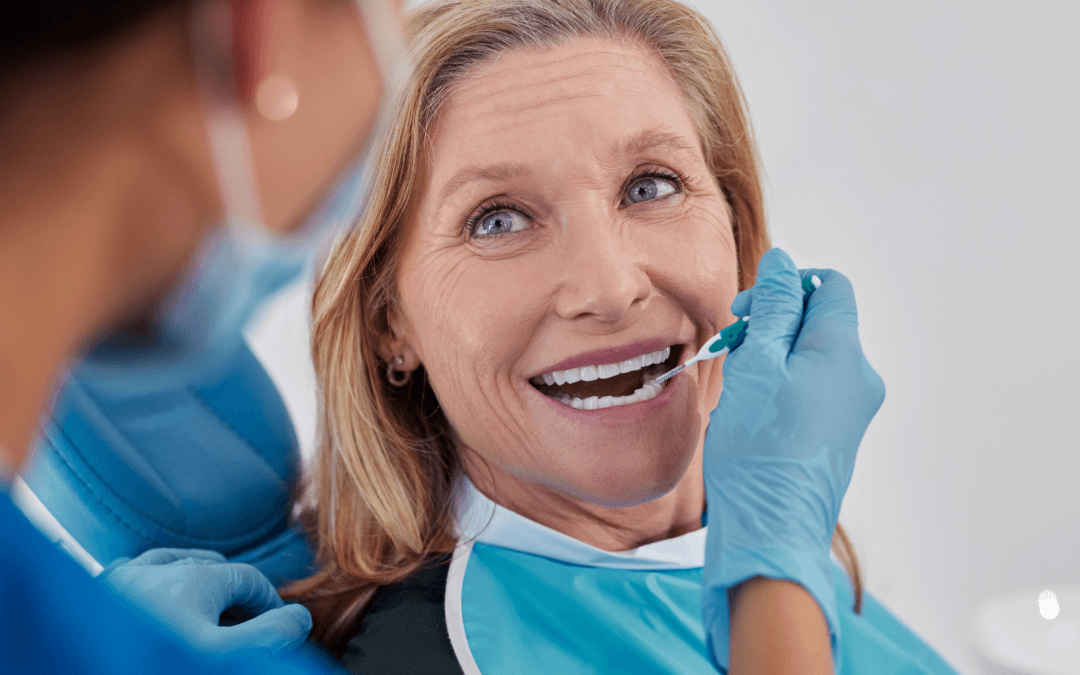
Oral health is often overlooked in dementia care, yet emerging research and clinical experience continue to highlight how closely the mouth is connected to the brain. Protecting oral health plays a vital role in preserving overall wellbeing for people living with dementia, influencing not only physical comfort, but also cognition, emotional stability, nutrition, and quality of life.
For many years, dental care was viewed as largely cosmetic in older adults. Today, that perception is changing. Vinaya Kundapur, BDS, MDS, FICD, a prosthodontist and Interim Director of the Geriatric Dentistry Clinic, has consistently emphasised that oral health is not cosmetic. It is cognitive, emotional, and deeply tied to quality of life. Trained in geriatric and special needs dentistry, she has treated thousands of older adults in clinics, nursing homes, and mobile dental units. Her clinical experience reinforces what research is now confirming: when oral health declines, the effects extend far beyond the mouth.
Why does oral health become more complex in dementia?
As dementia progresses, maintaining good oral hygiene becomes increasingly difficult. Memory loss, reduced dexterity, changes in behaviour, and fear or confusion around daily routines can all interfere with brushing, flossing, and denture care. At the same time, the number of older adults living with dementia who still have their natural teeth is growing. This shift presents new challenges, as natural dentition requires consistent and effective oral hygiene to prevent decay, gum disease, pain, and infection.
A recently published systematic review examining oral health in older people with dementia, with a focus on diseases of oral hard tissues, found a clear association between poor oral health and cognitive decline. This umbrella review confirmed that individuals with dementia who experience untreated dental disease are more likely to experience reduced quality of life and functional deterioration. Importantly, the relationship appears to be mediated through biological pathways such as systemic inflammation, which is known to exacerbate neurodegeneration.
Inflammation originating in the mouth, particularly from gum disease or untreated infection, does not remain localised. Chronic oral inflammation can contribute to wider inflammatory responses in the body, potentially accelerating neurological decline. These findings do not suggest that poor oral health causes dementia, but they do demonstrate that unmanaged oral disease may worsen outcomes and contribute to faster functional deterioration in people already living with the condition.
The cognitive and emotional impact of oral health decline
Pain and discomfort in the mouth are often under-recognised in dementia, especially when a person struggles to communicate. A resident may not be able to say that a tooth hurts or that their gums are inflamed, but the impact often shows up in other ways. Changes in behaviour, agitation, refusal to eat, disturbed sleep, or withdrawal can all be responses to unmanaged oral discomfort.
Poor oral health can also affect nutrition. Difficulty chewing, sore gums, or ill-fitting dentures may lead individuals to avoid food, limit their diet, or lose interest in eating altogether. Over time, this can contribute to weight loss, dehydration, and further cognitive and physical decline. Emotional wellbeing is equally affected. Oral discomfort can erode confidence, increase distress, and reduce a person’s willingness to engage socially or participate in activities.
This is why experts in geriatric dentistry consistently stress that oral care must be integrated into dementia care, not treated as a separate or optional concern.
What caregivers should look out for
For caregivers supporting someone with dementia, recognising early signs of oral health issues is essential. Because individuals may not be able to verbalise discomfort, observation becomes critical. Changes such as reluctance to eat, favouring one side of the mouth, increased drooling, facial expressions of discomfort, bad breath, bleeding gums, or sudden behavioural changes may all indicate underlying oral problems.
Resistance to brushing or sudden agitation during personal care routines can also be a sign that something is wrong. In some cases, a person may appear more confused or distressed simply because oral pain is amplifying their overall discomfort.
Regular oral assessments, even when no obvious symptoms are present, are vital. Research supports the importance of proactive dental care and routine monitoring as part of comprehensive dementia care. This includes ensuring teeth and gums are cleaned gently but consistently, dentures are well-fitting and clean, and professional dental assessments are maintained wherever possible.
The role of dementia care settings in supporting oral health
In specialised dementia care environments like Livewell Estates, oral health is recognised as an integral part of personalised care. Carers are trained to support daily hygiene routines with sensitivity, adapting their approach based on each resident’s comfort, abilities, and emotional state. Care plans take into account individual preferences, fear triggers, and physical limitations, ensuring oral care is delivered with dignity rather than distress.
Importantly, professional care settings allow for regular observation and early intervention. Subtle changes are noticed more quickly, and concerns can be escalated before pain or infection significantly impacts wellbeing. This integrated approach aligns with the growing body of evidence calling for comprehensive oral health care as a means of supporting cognitive stability and quality of life in people living with dementia.
Why oral health must be part of dementia care conversations
The relationship between oral health and dementia is no longer theoretical. Clinical experience from geriatric dental specialists and findings from systematic reviews clearly show that poor oral health is associated with worse outcomes in dementia. The pathways linking oral disease, inflammation, and neurodegeneration underscore the importance of prevention, monitoring, and compassionate daily care.
For families and caregivers, understanding this connection empowers better decision-making. Oral health is not a cosmetic concern, nor is it secondary to other aspects of care. It is fundamental to comfort, dignity, nutrition, emotional wellbeing, and cognitive support.
At Livewell Estates, dementia care is approached holistically. By recognising oral health as a vital component of overall wellbeing, we ensure that residents are supported not only medically and emotionally, but in the most human way possible: by reducing discomfort, preserving dignity, and improving quality of life every day.
If you are considering a professional care environment for your loved one with dementia, get in touch with Livewell to discuss your needs and book a facility tour.