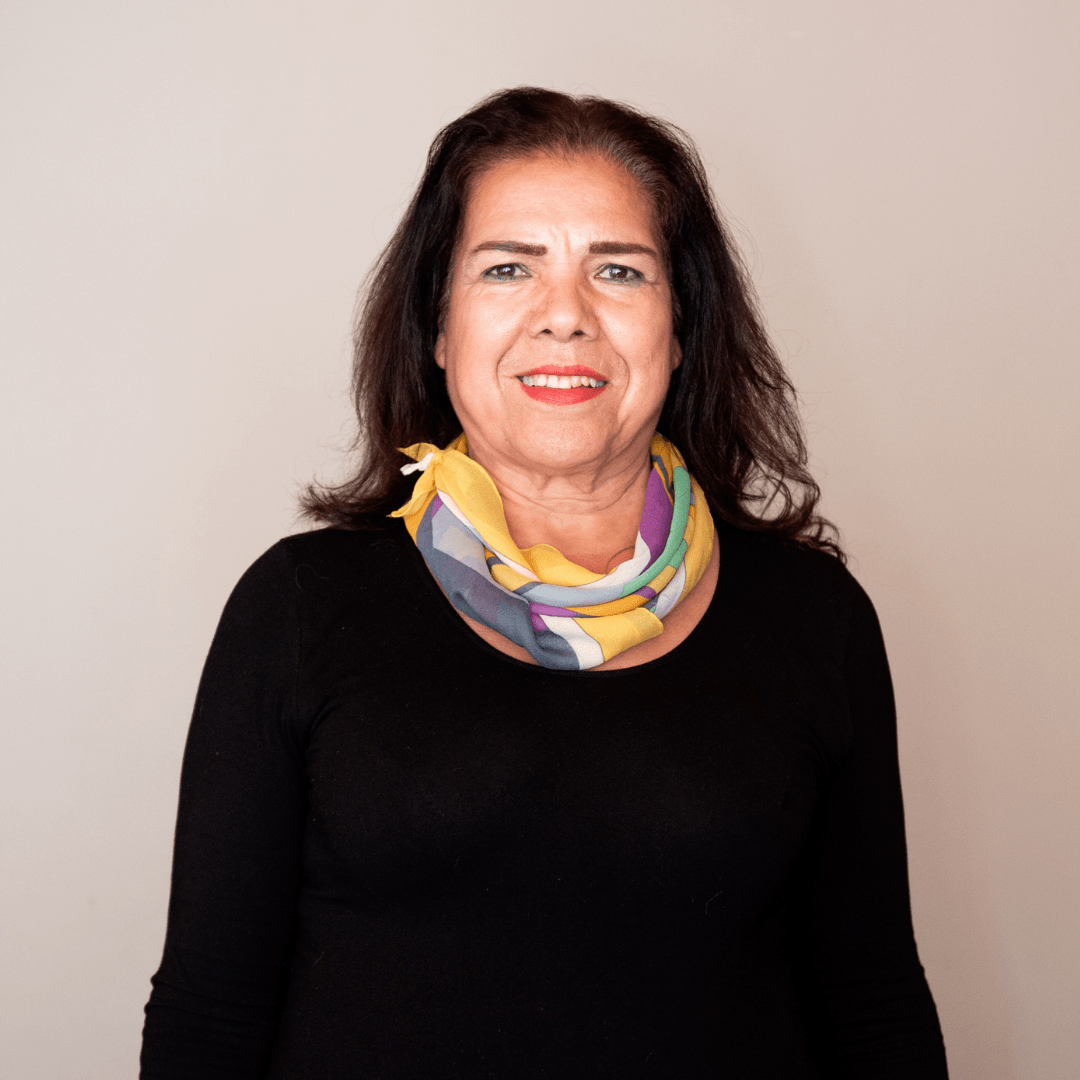
For Vida van Heerden, compassion isn’t something you switch on when you arrive at work, it’s a way of being. Every word, gesture, and smile forms part of the care she offers the residents at Livewell Somerset West.
“Showing kindness, understanding, and patience toward individuals who are struggling with memory loss, confusion, or changes in behaviour is at the heart of what I do,” Vida says softly. “It’s about gentle communication – speaking clearly, calmly, and with empathy. It’s about validating their feelings, acknowledging their experiences, and helping them maintain their independence while building connection through small acts of care.”
One of Vida’s most memorable moments at Livewell reminds her why compassion matters so deeply. “I once had a resident who was really struggling to adjust, she felt lost, confused, and frustrated,” Vida recalls. “One day, she was sitting alone in the lounge, staring at a photo album. When I asked if she was okay, she said no. I sat next to her and asked if she’d like me to look at the pictures with her. As she started talking about her loved ones, she smiled and began reminiscing about happy times. I listened carefully, showing genuine interest. I made a point to visit her regularly and talk about her life. Over time, her confusion and agitation began to ease. One day, she grabbed my hand and said, ‘Thank you for listening to me.’”
It’s moments like these that remind Vida that presence and empathy can calm the most anxious hearts. “When a resident is feeling anxious or frustrated, I always start by validating their emotions,” she explains. “I speak calmly and clearly, using a soft tone and simple language. Sometimes I’ll hold their hand, give a gentle pat on the back, or offer a warm hug. I try to redirect their attention to something pleasant like a song, a favourite memory, or a comforting activity, and I always reassure them that they are safe. Soothing music, deep breathing, or even a glass of water can make such a difference. Each person is unique, so I tailor my approach to their individual needs and preferences.”
Adapting to those needs requires attentiveness and intuition. “Every resident experiences dementia differently,” Vida explains. “I take time to get to know each person and observe their body language, tone, and behaviour. I stay flexible, adjusting my approach to their mood and needs. Sometimes that means using their love language, holding their hand or giving a gentle touch, to show affection. I focus on their strengths to help them feel confident and independent. And I make sure the environment is calm, quiet, and free from stressors. Communication is also key like using simple language, validating their feelings, and never arguing or correcting them.”
Vida also values the role that families play in this personalised approach. “Working with loved ones helps us understand the history of each resident,” she says. “It gives us insight into who they are beyond the dementia, which helps us connect on a deeper level.”
Despite the emotional demands of her role, Vida finds her strength in the connections she builds every day. “Building relationships with residents and their families, hearing their stories, sharing in their joys and struggles – that keeps me inspired,” she reflects. “Those moments of clarity, when a resident remembers something from the past, remind me of the person they are beyond the dementia.”
If you are considering long-term dementia care for your loved one in Cape Town, book a tour of our Somerset West facility and discuss your care needs with Vida.
She also draws strength from her team. “Working with dedicated colleagues who share the same passion and values keeps me going,” she says. “We learn from one another and continuously grow. Every day, I’m reminded of my purpose — to make a difference in residents’ lives by providing comfort, dignity, and joy. It’s about celebrating small victories: a resident enjoying a favourite meal, joining in an activity, or smiling on an outing. Those moments are everything.”
At Livewell Somerset West, Vida’s compassion is more than a quality, it’s an act of daily devotion. Through patience, presence, and empathy, she transforms ordinary moments into extraordinary care, reminding everyone that the smallest gestures often make the biggest difference.